Back Button

Worldbuilding • Game Design • Environment Art • Visual Development

Antville — Immersive Game World & Environment Design

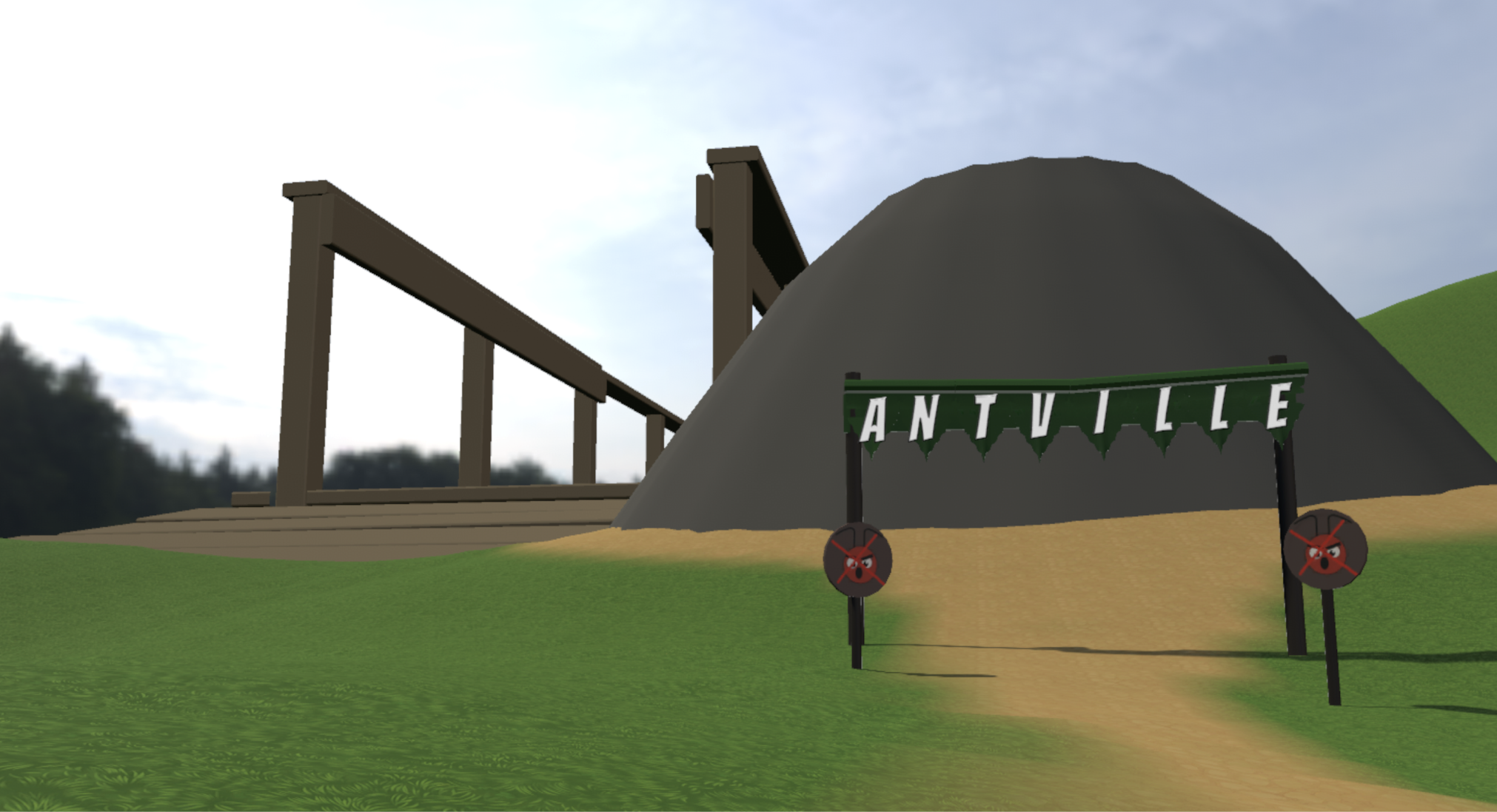
Antville is a strategy role-playing game concept designed for children ages 9–12 that places players inside the miniature world of ants. The experience transforms an ordinary picnic into a massive adventure landscape, where players navigate danger, gather food, and survive encounters with rival fire ants and towering human “giants.”

The project blends environmental storytelling, playful illustration, and immersive world design to create a game world that feels both magical and familiar.

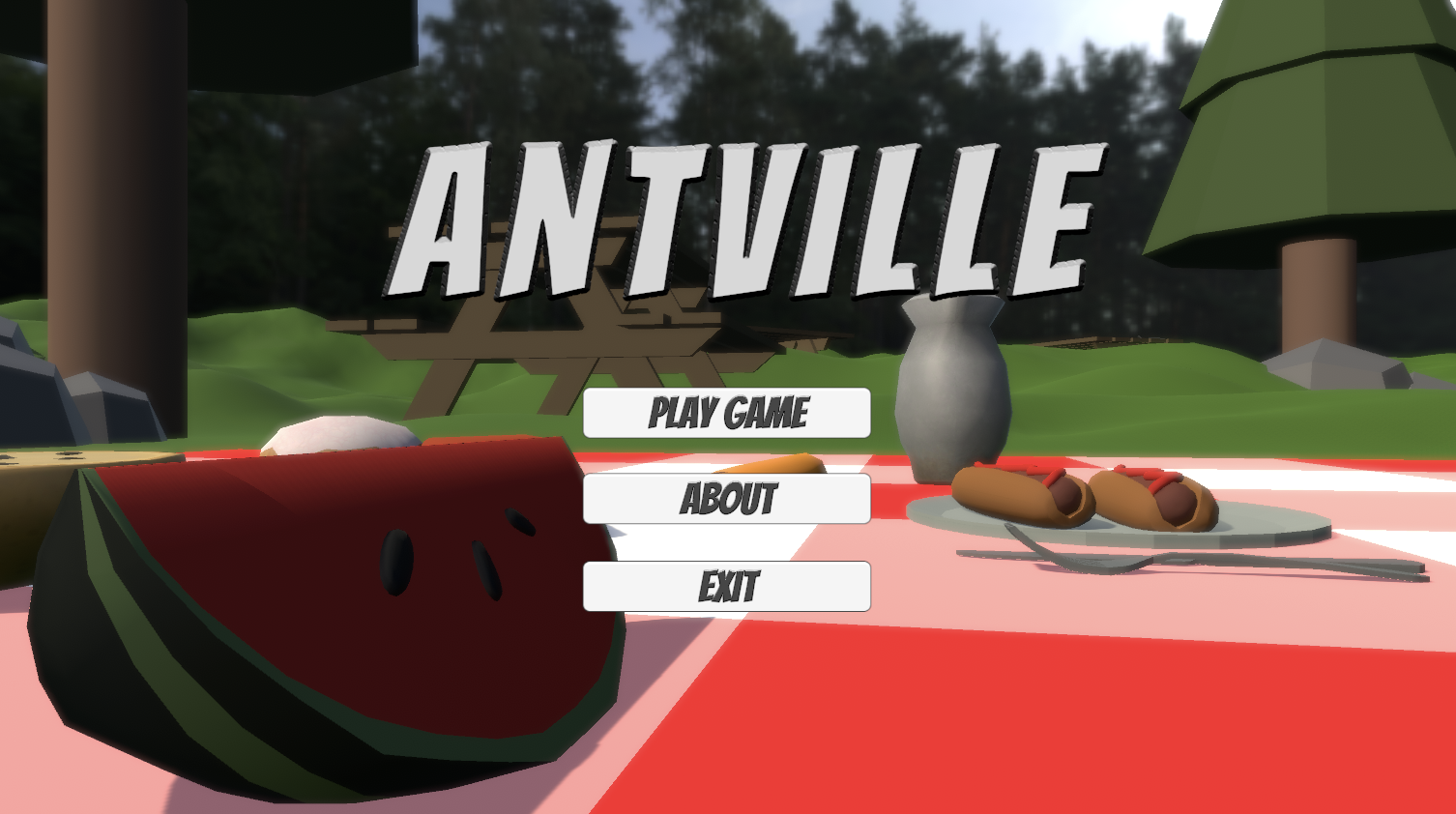
Main Menu

An immersive ant-sized experience that will leave you hungry for more.


Genre & Platform

  • Genre: Strategy + Role-Playing Game
  • Target Audience:
    • Ages 9–12
    • Low gaming experience
    • Casual and first-time players

Designed to be accessible, intuitive, and visually engaging for younger players.

Narrative Concept

Players take on the role of a worker ant living in an ant tribe. Their mission is to explore a picnic site, gather food, and return it safely to their colony — all while avoiding:

  • Fire ants (enemy tribe)
  • Humans (“giants”)
  • Environmental hazards

The story is told through exploration rather than cutscenes, allowing players to experience the world through scale, perspective, and interaction.

Perspective & Scale Design

The game is designed entirely from an ant’s POV:

  • Human feet become environmental hazards
  • Picnic tables become towering structures
  • Food becomes treasure
  • Grass becomes forests
  • Roots become bridges

This exaggerated scale is central to the game’s sense of wonder.
logo

Gameplay Objective

In this immersive environment, players:

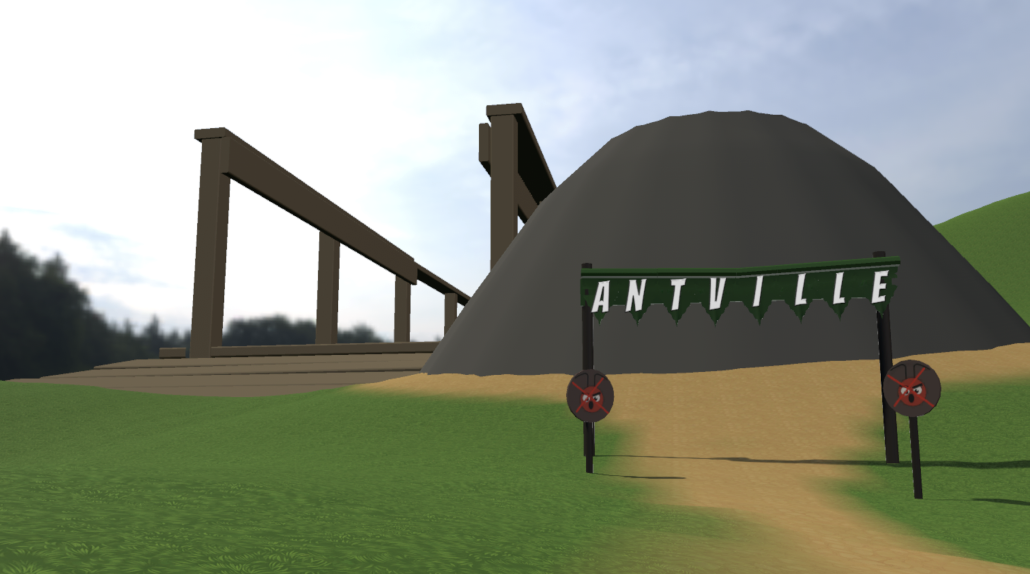
  • Explore a picnic from an ant’s perspective
  • Collect food (fruit, sandwiches, charcuterie, drinks)
  • Avoid red fire ants
  • Avoid being squished by humans
  • Safely return food to the ant village

The objective is to gather as much food as possible while surviving the dangers of the environment.
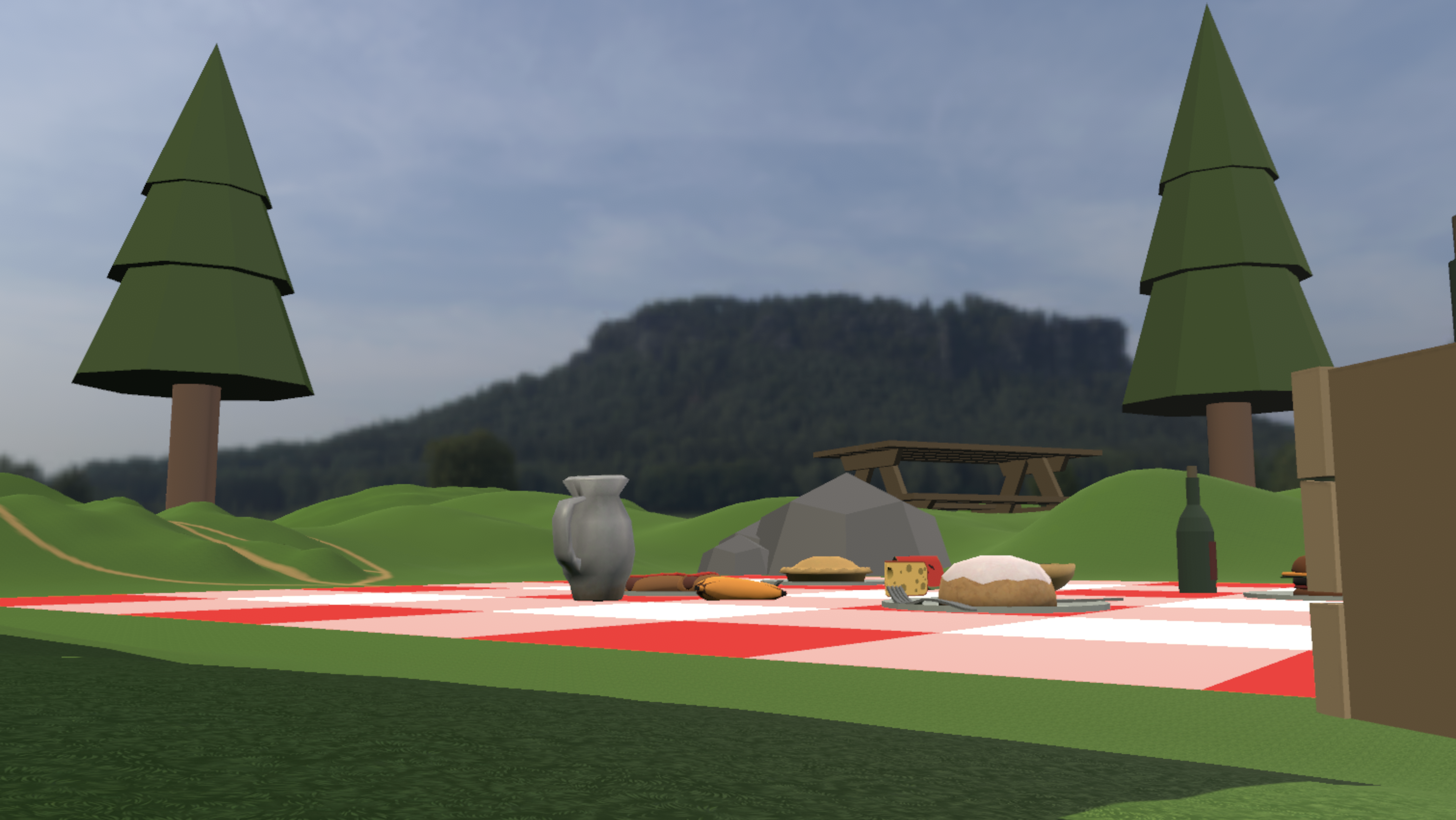
Screenshot of AntVille


Level Design & World Map

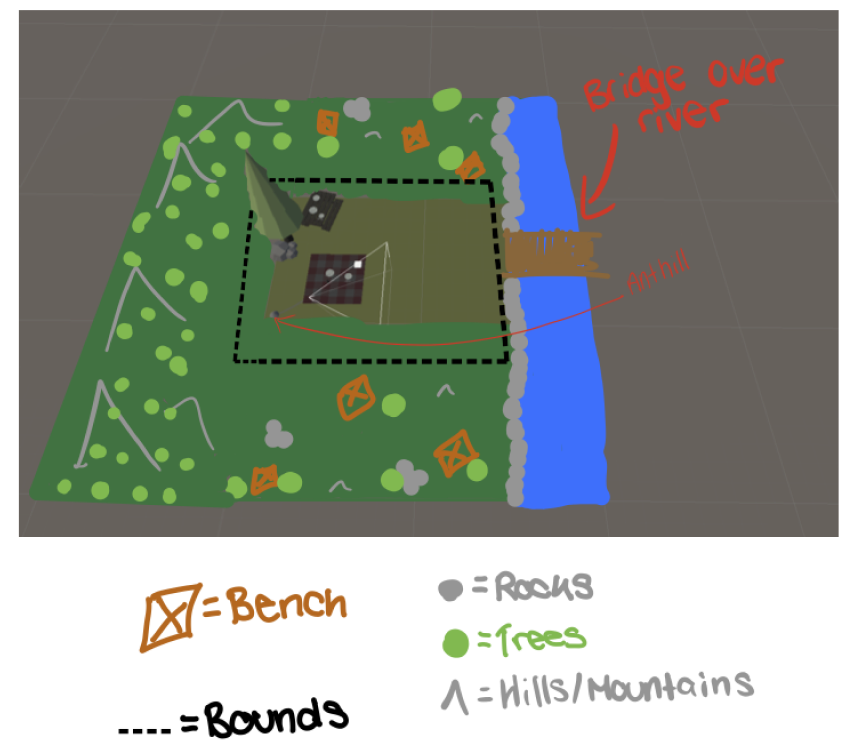
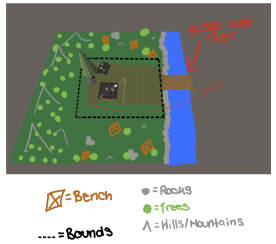
The world map establishes:

  • Picnic area
  • River boundary
  • Bridge crossing
  • Ant hill location
  • Bench landmarks
  • Natural borders (trees, rocks, hills)

A clear gameplay boundary system prevents players from leaving the playable area while maintaining immersion.

Environmental landmarks guide navigation organically without relying on UI-heavy maps.
Level Design
illustration


Perspective & Scale Design

The game is designed entirely from an ant’s POV:

  • Human feet become environmental hazards
  • Picnic tables become towering structures
  • Food becomes treasure
  • Grass becomes forests
  • Roots become bridges

This exaggerated scale is central to the game’s sense of wonder.

screenshot of gameplay

Adobe Illustrator — Graphic & Decal Design

Illustrator was used to design:

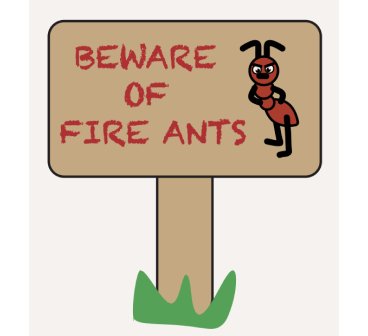
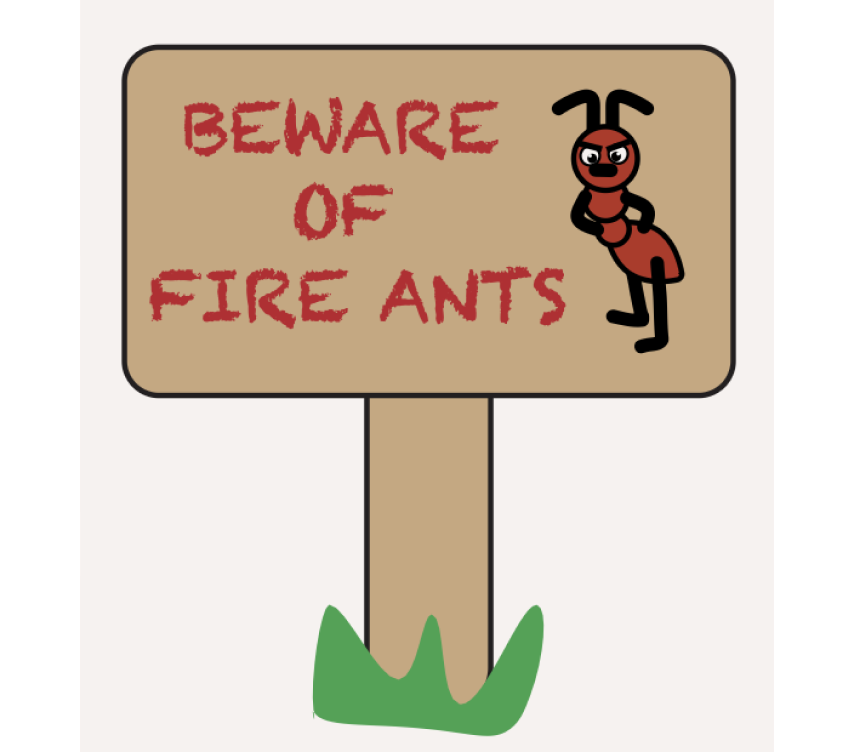
  • Warning sign graphics
  • Fire ant icons
  • Typography and decals
  • Flat color texture layouts
  • Stylized UI-inspired surface graphics

Adobe Photoshop — Texture Painting & Surface Detail

Photoshop was used to:

  • Paint wood grain textures
  • Add dirt, wear, and surface variation
  • Create stylized lighting and shading
  • Add environmental aging and damage
  • Enhance realism while keeping a cartoon tone


Visual Style Guide

style guide
style guide

Outcome

Antville reimagines a familiar outdoor picnic as a vast, living world filled with danger, discovery, and adventure. By designing from an ant’s perspective, the project creates a playful and immersive experience that turns ordinary spaces into extraordinary playgrounds.

See Next Project >>>

<<< See Previous Project

Back Button

Worldbuilding • Game Design • Environment Art • Visual Development

Antville — Immersive Game World & Environment Design

Antville is a strategy role-playing game concept designed for children ages 9–12 that places players inside the miniature world of ants. The experience transforms an ordinary picnic into a massive adventure landscape, where players navigate danger, gather food, and survive encounters with rival fire ants and towering human “giants.”

The project blends environmental storytelling, playful illustration, and immersive world design to create a game world that feels both magical and familiar.

Main Menu

An immersive ant-sized experience that will leave you hungry for more.


Genre & Platform

  • Genre: Strategy + Role-Playing Game
  • Target Audience:
    • Ages 9–12
    • Low gaming experience
    • Casual and first-time players

Designed to be accessible, intuitive, and visually engaging for younger players.

Narrative Concept

Players take on the role of a worker ant living in an ant tribe. Their mission is to explore a picnic site, gather food, and return it safely to their colony — all while avoiding:

  • Fire ants (enemy tribe)
  • Humans (“giants”)
  • Environmental hazards

The story is told through exploration rather than cutscenes, allowing players to experience the world through scale, perspective, and interaction.

Perspective & Scale Design

The game is designed entirely from an ant’s POV:

  • Human feet become environmental hazards
  • Picnic tables become towering structures
  • Food becomes treasure
  • Grass becomes forests
  • Roots become bridges

This exaggerated scale is central to the game’s sense of wonder.

logo

Gameplay Objective

In this immersive environment, players:

  • Explore a picnic from an ant’s perspective
  • Collect food (fruit, sandwiches, charcuterie, drinks)
  • Avoid red fire ants
  • Avoid being squished by humans
  • Safely return food to the ant village

The objective is to gather as much food as possible while surviving the dangers of the environment.

Screenshot of AntVille


Level Design & World Map

The world map establishes:

  • Picnic area
  • River boundary
  • Bridge crossing
  • Ant hill location
  • Bench landmarks
  • Natural borders (trees, rocks, hills)

A clear gameplay boundary system prevents players from leaving the playable area while maintaining immersion.

Environmental landmarks guide navigation organically without relying on UI-heavy maps.
Level Design
illustration


Perspective & Scale Design

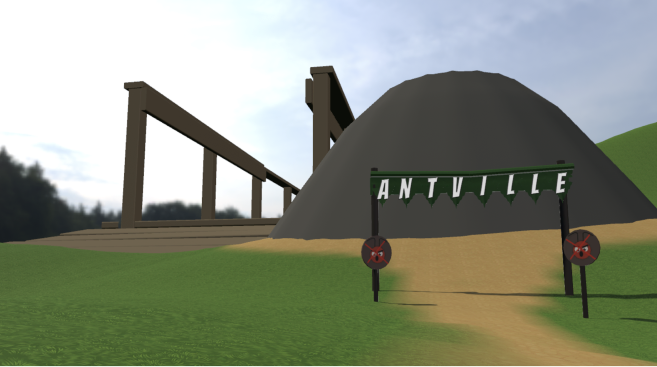
The game is designed entirely from an ant’s POV:

  • Human feet become environmental hazards
  • Picnic tables become towering structures
  • Food becomes treasure
  • Grass becomes forests
  • Roots become bridges

This exaggerated scale is central to the game’s sense of wonder.
screenshot of gameplay

Adobe Illustrator — Graphic & Decal Design

Illustrator was used to design:

  • Warning sign graphics
  • Fire ant icons
  • Typography and decals
  • Flat color texture layouts
  • Stylized UI-inspired surface graphics

Adobe Photoshop — Texture Painting & Surface Detail

Photoshop was used to:

  • Paint wood grain textures
  • Add dirt, wear, and surface variation
  • Create stylized lighting and shading
  • Add environmental aging and damage
  • Enhance realism while keeping a cartoon tone


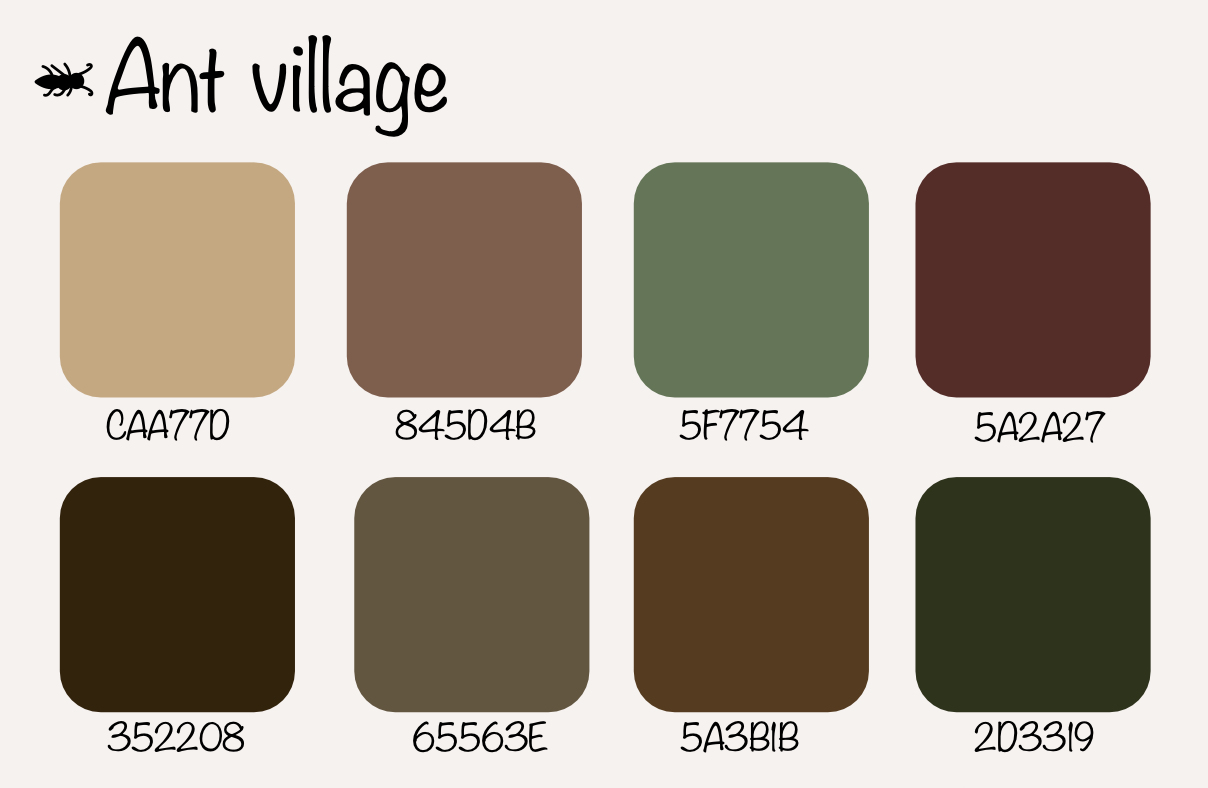
Visual Style Guide
style guide
style guide

Outcome

Antville reimagines a familiar outdoor picnic as a vast, living world filled with danger, discovery, and adventure. By designing from an ant’s perspective, the project creates a playful and immersive experience that turns ordinary spaces into extraordinary playgrounds.

See Next Project >>>

<<< See Previous Project

Back Button

Worldbuilding • Game Design • Environment Art • Visual Development

Antville — Immersive Game World & Environment Design

Antville is a strategy role-playing game concept designed for children ages 9–12 that places players inside the miniature world of ants. The experience transforms an ordinary picnic into a massive adventure landscape, where players navigate danger, gather food, and survive encounters with rival fire ants and towering human “giants.”

The project blends environmental storytelling, playful illustration, and immersive world design to create a game world that feels both magical and familiar.

Main Menu

An immersive ant-sized experience that will leave you hungry for more.


Genre & Platform

  • Genre: Strategy + Role-Playing Game
  • Target Audience:
    • Ages 9–12
    • Low gaming experience
    • Casual and first-time players

Designed to be accessible, intuitive, and visually engaging for younger players.

Narrative Concept

Players take on the role of a worker ant living in an ant tribe. Their mission is to explore a picnic site, gather food, and return it safely to their colony — all while avoiding:

  • Fire ants (enemy tribe)
  • Humans (“giants”)
  • Environmental hazards

The story is told through exploration rather than cutscenes, allowing players to experience the world through scale, perspective, and interaction.

logo

Gameplay Objective

In this immersive environment, players:

  • Explore a picnic from an ant’s perspective
  • Collect food (fruit, sandwiches, charcuterie, drinks)
  • Avoid red fire ants
  • Avoid being squished by humans
  • Safely return food to the ant village

The objective is to gather as much food as possible while surviving the dangers of the environment.


Screenshot of AntVille


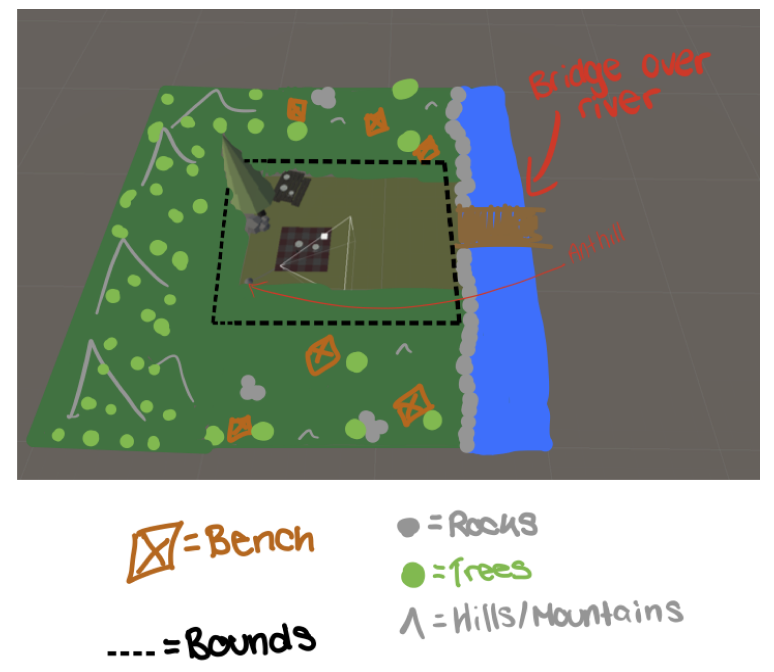
Level Design & World Map

The world map establishes:

  • Picnic area
  • River boundary
  • Bridge crossing
  • Ant hill location
  • Bench landmarks
  • Natural borders (trees, rocks, hills)

A clear gameplay boundary system prevents players from leaving the playable area while maintaining immersion.

Environmental landmarks guide navigation organically without relying on UI-heavy maps.

Level Design
illustration


Perspective & Scale Design

The game is designed entirely from an ant’s POV:

  • Human feet become environmental hazards
  • Picnic tables become towering structures
  • Food becomes treasure
  • Grass becomes forests
  • Roots become bridges

This exaggerated scale is central to the game’s sense of wonder.

screenshot of gameplay

Adobe Illustrator — Graphic & Decal Design

Illustrator was used to design:

  • Warning sign graphics
  • Fire ant icons
  • Typography and decals
  • Flat color texture layouts
  • Stylized UI-inspired surface graphics

Adobe Photoshop — Texture Painting & Surface Detail

Photoshop was used to:

  • Paint wood grain textures
  • Add dirt, wear, and surface variation
  • Create stylized lighting and shading
  • Add environmental aging and damage
  • Enhance realism while keeping a cartoon tone


Visual Style Guide
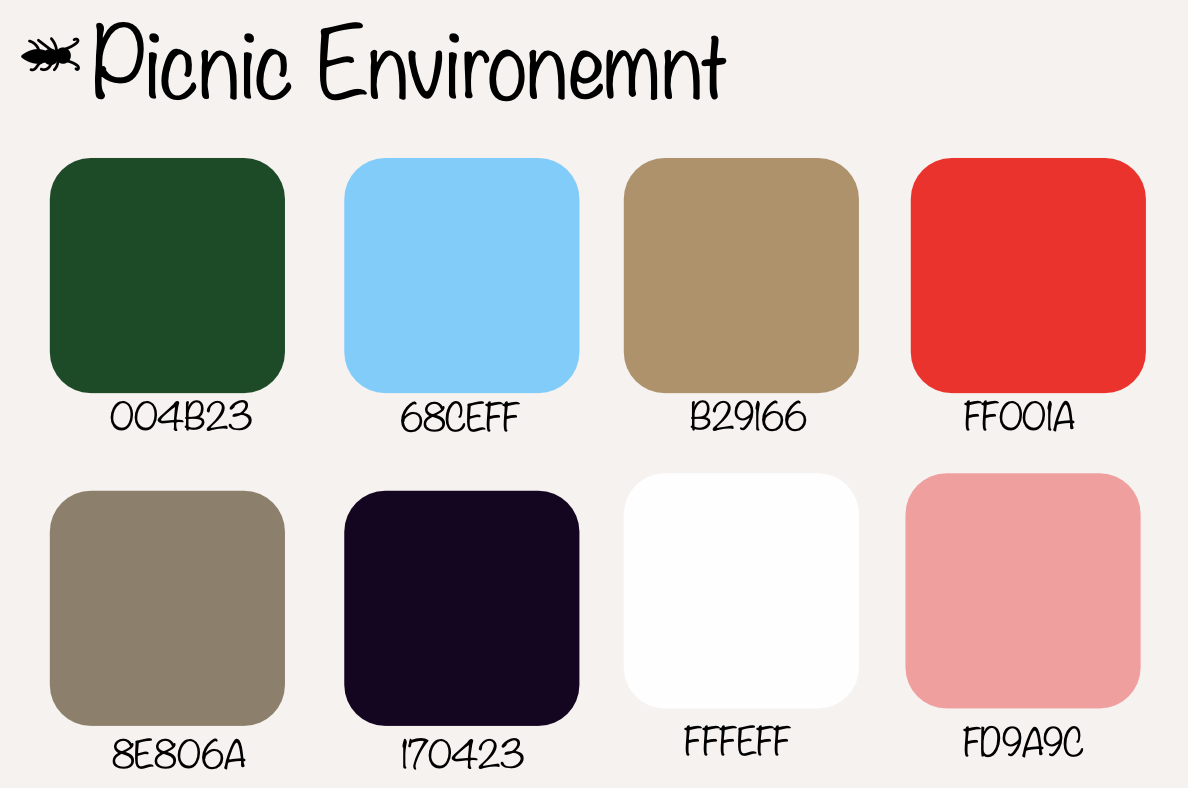
style guide
style guide

Outcome

Antville reimagines a familiar outdoor picnic as a vast, living world filled with danger, discovery, and adventure. By designing from an ant’s perspective, the project creates a playful and immersive experience that turns ordinary spaces into extraordinary playgrounds.
See Next Project >>>

<<< See Previous Project